The Mallorca 312: Everything You Need to Know About Cycling's Greatest Gran Fondo

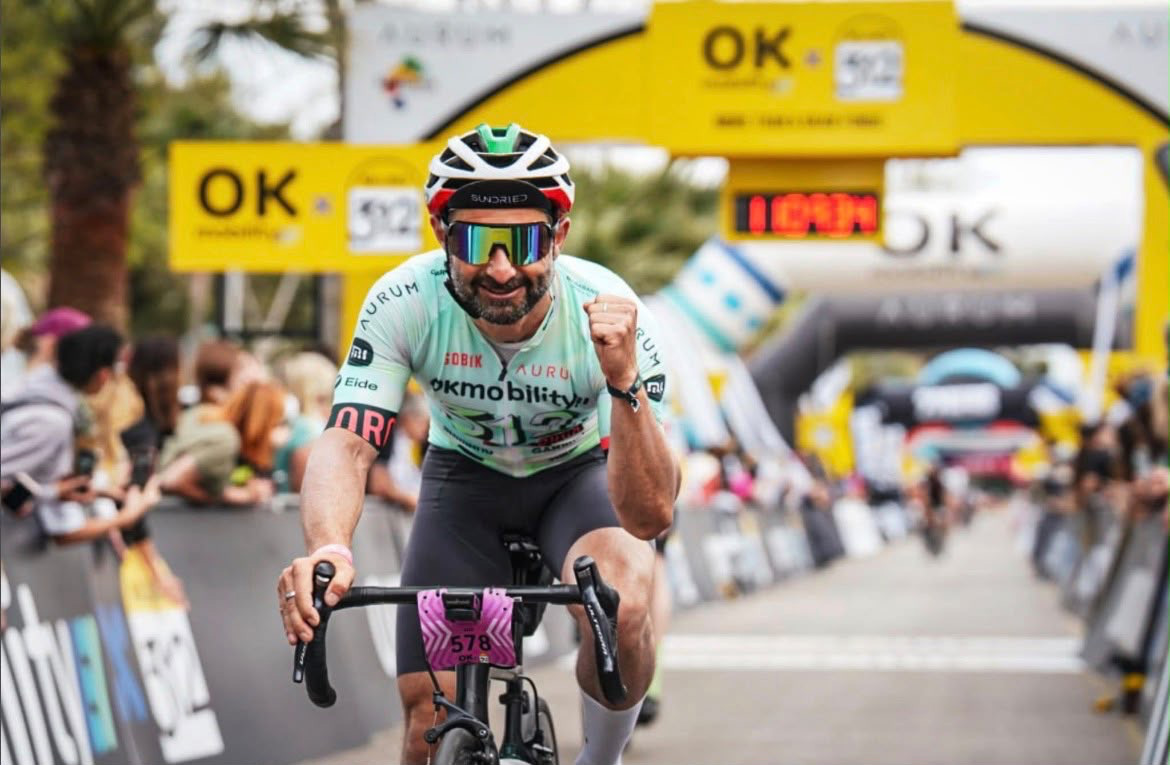
There are cycling events, and then there is the Mallorca 312. Every April, 8,500 cyclists from across the world descend on the northeast coast of Mallorca, clip in before dawn, and set off into the dark on one of the most extraordinary days amateur cycling has to offer. The roads are closed. The mountains are waiting. And somewhere out on the Serra de Tramuntana, with the Mediterranean glittering far below and the road rising ahead, every one of those riders will have a moment they will never forget.
This is not just a race. It is a pilgrimage. And for a growing number of American and Canadian cyclists who have discovered what Mallorca cycling holidays can offer, the 312 has become the defining bucket list event of their riding life.
Whether you are already registered, seriously considering entering, or simply curious about what all the fuss is about, this is everything you need to know. The route, the climbs, the logistics, how to train, and why a week at Velocamp Mallorca might be the smartest thing you do before you roll up to that start line.
![Mass start at Platja de Muro at dawn with thousands of riders rolling out together]](https://cdn.prod.website-files.com/6825f4898970fd6593b167ed/6a4bbeffd1cd5803abf772fd_start.jpg)
Three Routes, One Island, No Easy Options
The event offers three distances and the brilliance of the format is that you can choose which one to ride on the day itself, based on how you feel and whether you make the cut-off checkpoints. The full event distance covers just over 312 kilometres with approximately 4,800 metres of climbing and a time limit of fourteen hours. The Mallorca 225 cuts out the final eastern loop and delivers around 225 kilometres with 3,800 metres of ascent. The Mallorca 167 is the shortest option at 167 kilometres with over 2,500 metres of climbing. None of them is easy. All of them are worth every metre.
The event starts and finishes at Platja de Muro on the northeast coast, and every road on the course is completely closed to traffic throughout the day. Riding mountain passes and spectacular coastal roads with nothing coming the other way is one of those experiences that sounds straightforward until you feel it for the first time. Then you understand immediately why riders come back to this event year after year.
The Route: An Anticlockwise Loop of the Tramuntana Mountains and more!
The route runs anticlockwise from Platja de Muro, heading first northwest toward Pollença before turning inland and beginning the long climb into the mountains through Lluc. This is where the day truly begins.
Lluc sits at the heart of the Serra de Tramuntana and the monastery there is one of the most recognisable landmarks on the island. The road to and from Lluc sets the early tone of the event, a long sustained effort through mountain scenery that is genuinely breathtaking even when your legs are already beginning to talk to you. From Lluc the route climbs to Puig Major, the highest point on the island at 869 metres above sea level and the highest point of the entire race. The ascent to Puig Major is 8.3 kilometres at an average of 4.7%. That sounds manageable. After the climbing from Lluc already in the legs, it is considerably less so. This is the climb that defines how the rest of the day goes. Ride it conservatively, find your rhythm, and let the view from the top be its own reward.
The descent from Puig Major is one of the finest on the island, 14km long and fast, dropping toward Sóller through a series of technical corners that demand full attention. The Sóller valley below is one of the most beautiful in Mallorca and seeing it open up beneath you as you descend is a moment that stays with you. From Sóller the route continues south and west, climbing out of the valley and joining the spectacular MA-10 coastal road that carries riders high above the sea through some of the most dramatic scenery in the western Mediterranean.
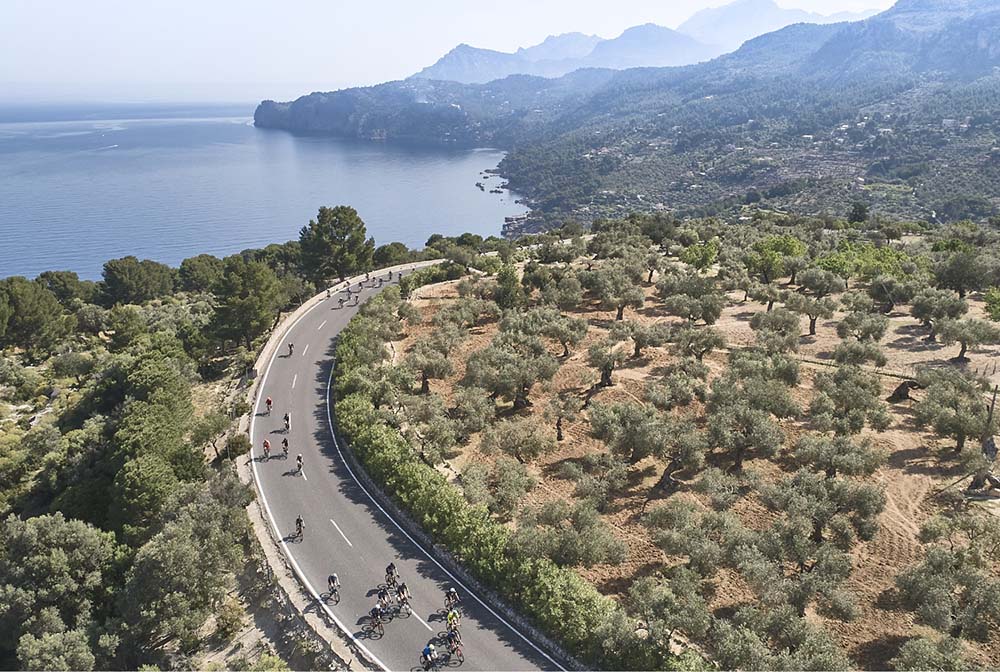
The Coastal Road and the Turn Toward Andratx
The MA-10 coastal road is the section that riders talk about for years afterward. The road clings to the western edge of the Tramuntana with the limestone mountains rising steeply on one side and the sea hundreds of metres below on the other. The route passes through Estellencs, a tiny village perched above the coast that appears like something from another era, before continuing south toward Andratx. This stretch of closed road, ridden with nothing coming the other way and the whole coast laid out below, is one of the finest experiences road cycling anywhere in the world has to offer.
Andratx marks the southwesternmost point of the route. From here the road turns northeast and the character of the day shifts. The dramatic coastal scenery gives way to the quieter, more intimate landscape of the southern Tramuntana interior, and a new sequence of climbs begins.
After Andratx the route passes through Es Capdellà, where a feed station offers a crucial opportunity to restock before the climbing that follows. The road then rises through Galilea and over the Coll des Grau before descending toward Esporles. This section, from Es Capdellà to Esporles, contains some of the most sustained and demanding climbing of the entire second half of the race. The gradients are not extreme but they are relentless, arriving as they do after well over 100 kilometres already in the legs, and riders who have not paced the earlier sections carefully will feel the consequences here very clearly.
From Esporles the route pushes northeast, and the mountains begin to soften. The road descends and opens out toward the foothills and then the interior of the island, passing through the landscape that Velocamp Mallorca riders know well from their training weeks based in nearby Alaró.
Lloseta, the Interior and the Long Road to Artà
Lloseta arrives with a food station and a cut-off checkpoint, and it marks a significant psychological moment in the day. The serious climbing is behind you. The Tramuntana, which has defined every pedal stroke since Lluc, has finally released its grip. For riders on the 225 route this is where the road home begins. For those continuing on the full 312, the road turns east toward the final chapter.
The route passes through Muro and continues into the agricultural heartland of the island, wide open roads through farmland and olive groves where the wind in late April can be a genuine enemy and where any mistakes made earlier in the day begin to demand their payment. This section does not have the drama of the mountains but it has its own particular difficulty, the difficulty of maintaining pace and morale across long exposed roads with a lot of kilometres already in the body and a lot of kilometres still to go.
The feed station at Ariany is one of the most welcome stops of the entire event. After Ariany the route continues southeast before turning north and heading toward the coast. The hills around Artà provide the final real test of the day, a series of rolling climbs that feel cruel at this point in proceedings but that are manageable if the nutrition has been right throughout.
Artà itself is where the Mallorca 312 stops being a race and becomes something closer to a celebration. The feed station here is legendary. Not energy bars and gels. Paella. Beer. Watermelon. Volunteers bringing food directly to riders who have been turning pedals since before dawn. The understanding among everyone who has ridden this event is simple: if you make it to Artà, you will make it to the finish. From Artà the road turns north, drops toward the coast, and carries you back along the Bay of Alcúdia to Platja de Muro.
The finish line appears. You cross it. The medal, the pasta, the massage, the particular quiet of a body that has given absolutely everything it has. It is better than you imagined. It always is.
How to Train for the Mallorca 312
The 312 requires real and structured preparation. Even the 167 kilometre route involves over 2,500 metres of climbing, and the full 312 kilometres with nearly 4,800 metres of ascent demands a physical base that takes months to build properly. Starting your training 24 to 32 weeks out from the event gives you the best possible foundation.
Build your aerobic base first. The 312 is an endurance event above everything else, and the majority of your training time should be spent riding at a comfortable, conversational pace that builds the engine that will carry you through ten to fourteen hours on the bike. Long, steady riding that feels almost too easy is the most important work you will do.
Back-to-back long rides are non-negotiable. The event is decided in the final 100 kilometres when you are carrying the accumulated fatigue of an extremely long day. Training your body to perform on pre-fatigued legs is the single most specific preparation available. A long ride on Saturday followed by a moderate ride on Sunday, week after week, teaches your body exactly what the 312 will demand of it.
Train your gut as seriously as your legs. On an event lasting ten to fourteen hours you need to consume 60 to 90 grams of carbohydrate per hour to maintain performance. Your digestive system needs months of training to handle this reliably. Use the same products in training that you plan to use on race day, and start from your very first long training ride. Discovering a problem with your nutrition at kilometre 150 of a 312 kilometre event is not a situation you can recover from.
Pace with discipline. The riders who miss cut-offs or collapse in the final 80 kilometres are almost always those who went too hard in the first half. Practice holding a conservative effort on climbs, letting your speed drop while keeping power consistent. It will feel wrong. Do it anyway.
Why Velocamp Mallorca Is the Perfect Pre-Race Preparation
There is a gap between training for the Mallorca 312 at home and being genuinely ready to race it, and that gap is best closed on the roads of Mallorca itself in the days before the event.
Velocamp Mallorca is based in Alaró, a small inland village that sits in the heart of the 312 route, right in the section the race covers between Esporles and Lloseta. From here every significant part of the course is within reach. You can climb to Lluc and experience the mountain roads before race day. You can ride the MA-10 coastal road through Estellencs and understand what it demands before you are racing it. You can take on the climbs around Es Capdellà and Galilea with a guide beside you and no pressure. You can ride the lanes around Alaró, Lloseta, and Pollenca on the actual race roads at your own pace.
The difference between knowing a route from a map and having it in your legs is enormous. It changes how you pace the early climbs. It changes the decisions you make at the 225/312 turn. It changes what the final 100 kilometres demands of your mind, because your mind has already been there and it knows the road is manageable.
A week of Mallorca cycling holidays at Velocamp is built around guided rides paced appropriately for every rider in the group, structured to leave you in better shape at the end of the week than when you arrived, and designed around one central idea: that you reach the start line in Platja de Muro fresh, confident, and familiar with the terrain. Not anxious. Not exhausted from a poorly structured training week. Ready.
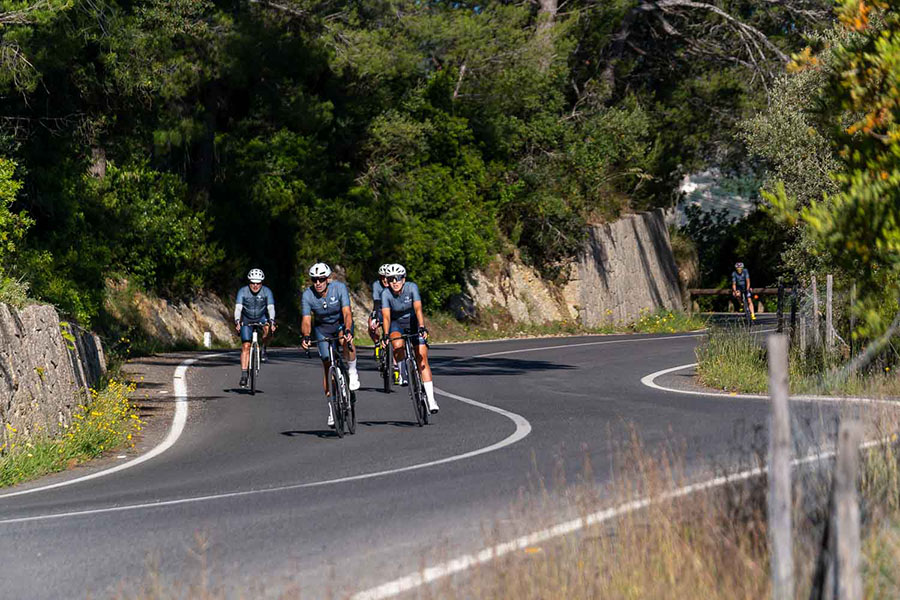
For cyclists from the United States and Canada planning a cycling vacation in Mallorca around the 312, the logic is completely straightforward. You are flying to the island regardless. A week at Velocamp Mallorca turns that journey into the best possible preparation for the hardest and most rewarding day of your cycling life.
The roads are already closed. The mountains are already waiting. The paella in Artà is already prepared. The only question is whether you are going to be one of the 8,500 riders who clips in before dawn at Platja de Muro and finds out exactly what they are made of.
Find out more about Velocamp Mallorca cycling camps and plan your 312 preparation week.
85 pages of tips, including bike hire, best routes, our favourite coffee stops, cycle clothing shops, and plenty more!
supported by